
The Cooking Method Debate
In today's fast-paced food industry, most sweet manufacturers rely on gas-based cooking for speed and convenience. However, traditional methods like firewood cooking continue to hold a special place, especially in heritage sweets like halwa.
Heat Distribution and Cooking Time
The biggest difference lies in heat distribution and cooking time. Firewood provides a slow, even heat that allows ingredients to cook gradually. This slow process enhances flavor development and creates a deeper, richer taste.
Gas cooking, on the other hand, is faster and easier to control but may not achieve the same level of depth in flavor. Rapid cooking can sometimes result in less integration of ingredients, especially in complex sweets like wheat halwa.
The Aroma Factor
Another important factor is aroma. Firewood cooking adds a subtle, natural depth to the fragrance, which enhances the overall sensory experience.
Crescent Halwa's Firewood Commitment
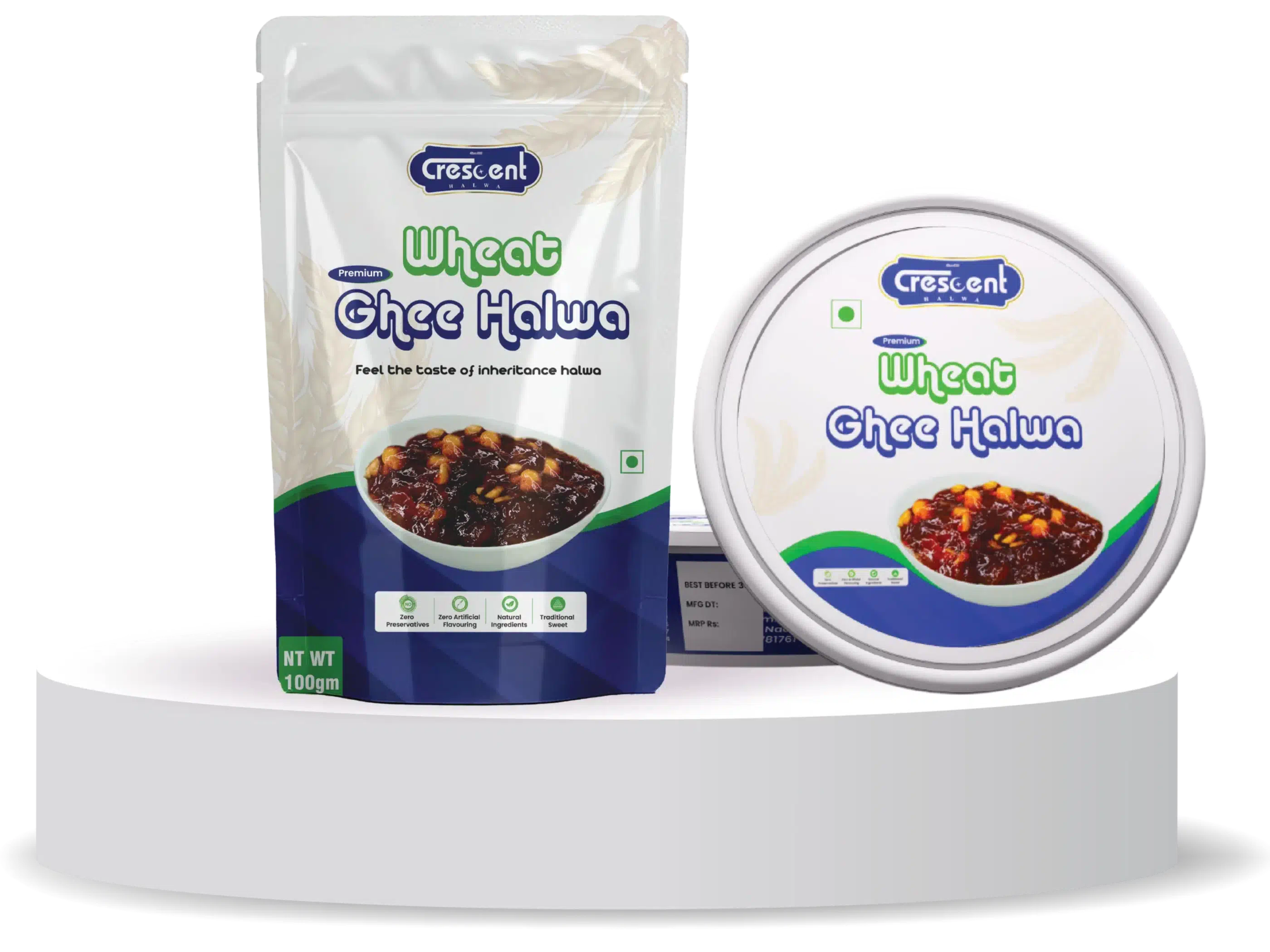
At Crescent Halwa, we continue to follow traditional firewood cooking methods, ensuring that every batch retains its authentic taste and texture. This commitment to heritage is what sets us apart in a competitive market.
Consumers Value Authenticity
Consumers today are increasingly valuing authenticity over mass production. The method of preparation plays a crucial role in defining the quality of the final product.
Choosing sweets made using traditional techniques ensures a richer experience - whether you pick Tirunelveli, Karupatti (palm jaggery), or Moscoth wheat halwa from Crescent.