
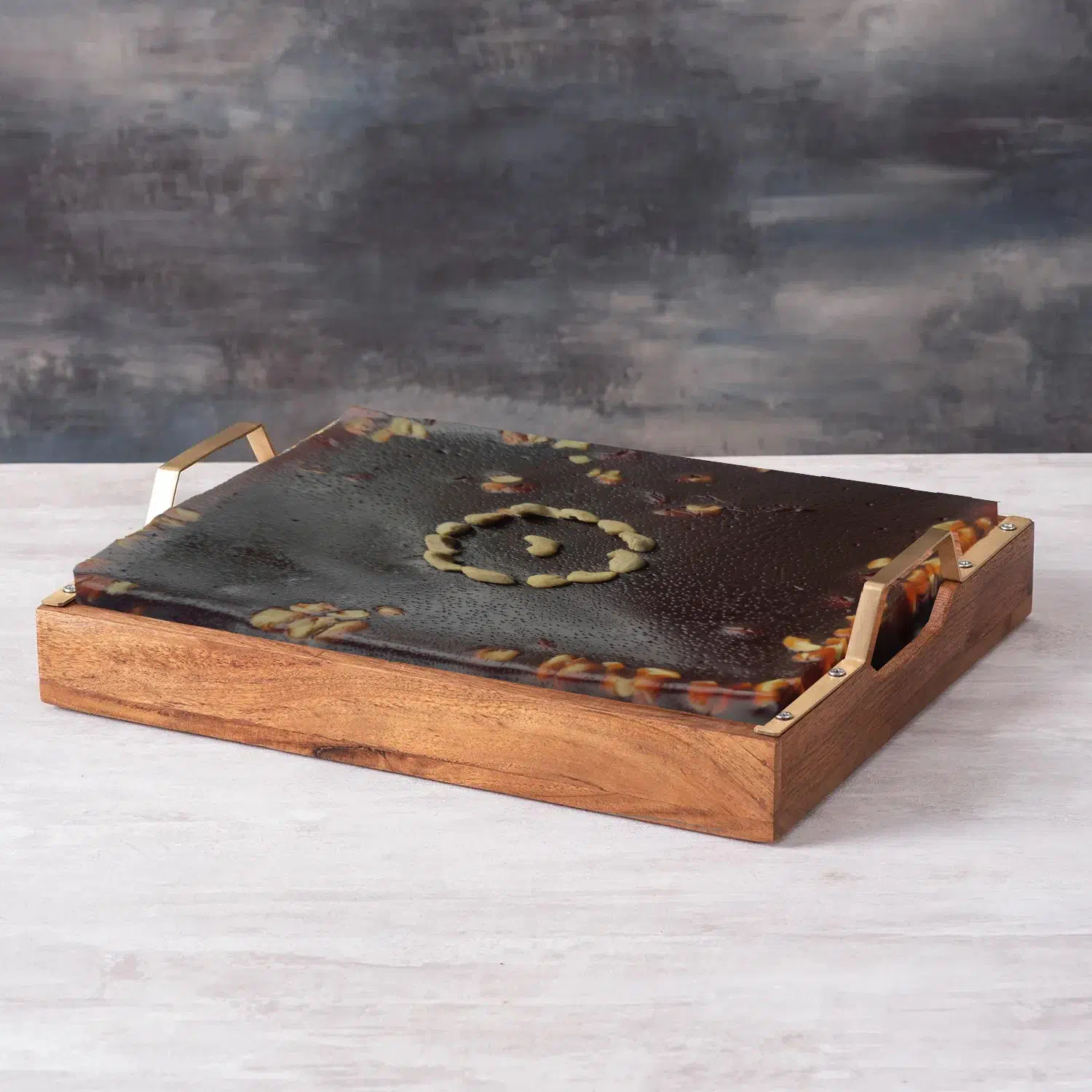
Why sweets remain a strong food business in India
When people ask what the best food business in India looks like, they often picture restaurants or packaged snacks. The sweet and mithai trade is quieter, but it is one of the most durable models in Indian food. Festivals, weddings, temple offerings, and everyday gifting keep demand steady through the year. A well-run sweet business does not depend on a single season. It depends on trust, freshness, and a product people already know how to celebrate with.
Crescent Halwa works inside that tradition. We cook wheat halwa with pure ghee, no preservatives, and 50+ years of heritage, then sell it through retail packs and wholesale trays. That mix of heritage product and modern distribution is how a sweet business stays relevant without chasing fads.
Wholesale plus retail: a sustaining model
A sweet shop that only sells over the counter is limited by footfall. A brand that only sells online is limited by discovery. Crescent combines both. Retail pouches, gift boxes, and tins serve families who want the best halwa in India delivered to their door. Wholesale trays serve sweet shops, event caterers, and distributors who need consistent batches and a clear minimum order.
Quality is the hinge. If the wholesale tray tastes different from the gift box, retailers lose customers and the brand loses the next festival order. We keep Tirunelveli wheat halwa, Karupatti (palm jaggery) wheat halwa, and Moscoth wheat halwa on the same process standard: wheat extract, pure ghee, slow cooking, no shortcuts.
Gifting is not a side channel
In India, sweets are a social product. Diwali boxes, wedding return gifts, and corporate hampers are not extras; they are core revenue. Packaging that travels, a flavour people recognise, and a story they can tell at the table matter as much as price. Karupatti wheat halwa gives a palm-jaggery story. Moscoth wheat halwa gives a traditional Tirunelveli-style wheat story. Tirunelveli wheat halwa remains the classic that buyers already search for.
Browse Crescent Halwa products for pouches, gift boxes, and tins, or read why buyers choose Crescent when they compare mithai brands.
Distribution without diluting the recipe
Pan-India delivery only works if the sweet survives transit. Wheat halwa in sealed pouches and tins has a practical shelf life when it is cooked without water-heavy shortcuts and packed without preservatives that mask staleness. We design packs for gifting and for shop shelves, not for a warehouse that sits for months.
For partners, the business case is simple: a product with cultural demand, a kitchen that still cooks in ghee, and flavours that are not copies of every other sugar syrup sweet on the market. That is how the sweet trade stays one of the best food businesses in India for operators who care about quality.
What new sellers should copy - and what they should not
Copy the discipline: ingredient honesty, batch consistency, and a wholesale path so you are not only chasing one-off online orders. Do not copy empty superlatives. “Best” has to mean heritage, pure ghee, and certification that a retailer can show a customer. Crescent’s claim to the best halwa in India is backed by how we cook, not by a slogan on a banner.
If you are building a mithai line, start with one honest product, then add flavours that have a real difference - like Karupatti versus sugar-based Tirunelveli wheat halwa - instead of ten lookalike SKUs. That is the difference between a stall and a brand.
Margins, festivals, and working capital
A sweet business looks simple from the street: cook, pack, sell. The books are less simple. Ghee, wheat, nuts, and labour move with commodity prices. Festival weeks concentrate cash, then January can feel empty if you only sold Diwali boxes. Wholesale contracts smooth that curve because shops reorder between peaks. Retail online orders fill the gaps with pouches and gift boxes for birthdays that are not on the Hindu calendar.
Working capital is where new mithai brands fail. They cook a huge batch for a sale, then sit on stock that was never meant to wait. Crescent’s no-preservative cook forces a fresher rhythm: take orders, cook, dispatch. That is harder than dumping syrup into a mould, and it is why buyers who care about the best halwa in India stay with a kitchen that can explain its calendar.
If you are evaluating the sweet trade as the best food business in India for your family, write down three numbers before you romanticise the kadai: cost of ghee per kilogram of finished sweet, courier failure rate, and how many festival days you can actually staff. Heritage is an asset only if those numbers work. Crescent’s mix of Tirunelveli, Karupatti (palm jaggery), and Moscoth wheat halwa is how we spread demand across tastes without inventing a new dessert every month.
Distribution partners should ask for flavour samples from the same batch family, pack photos that match what arrives, and a kitchen that can name wheat, ghee, and the cook. Empty superlatives do not pay rent. A sustaining wholesale plus retail model does.